Iran OCC Sports provides a broad perspective on Iranian sports, where football, futsal, volleyball, and wrestling represent some of the most notable disciplines. Each sport has its own competition format, schedule, and statistical system, making it useful to combine fixtures, results, standings, and performance records for a more complete understanding.
Within Iran’s sporting landscape, football has widespread influence, while wrestling carries a long-standing cultural tradition. Volleyball and futsal also hold significant positions and have contributed to the diversity of Iranian sports.
Overview Of Iran OCC Sports And The Iranian Sporting Landscape
Iran OCC Sports is not limited to individual match results. It can also be explored through domestic leagues, international tournaments, national teams, and sports statistics. Examining these different layers of information helps readers understand the characteristics of each competition and evaluate the performance of teams or athletes in context.
What Is Iran OCC Sports?
Iran OCC Sports can be understood as a topic covering sports, competitions, and achievements associated with Iran. Relevant information may include match schedules, live scores, final results, league standings, and historical performance.
Football receives considerable attention, but the Iranian sports ecosystem extends much further, including futsal, volleyball, wrestling, weightlifting, and other disciplines. This variety allows sporting content to be divided into team sports, individual sports, domestic competitions, and international events.
When reviewing data, it is important to distinguish pre-match information from official results. Fixtures identify upcoming events, live data reflects current developments, while final results and performance records provide historical context.
Football And Its Influence On Iranian Sports
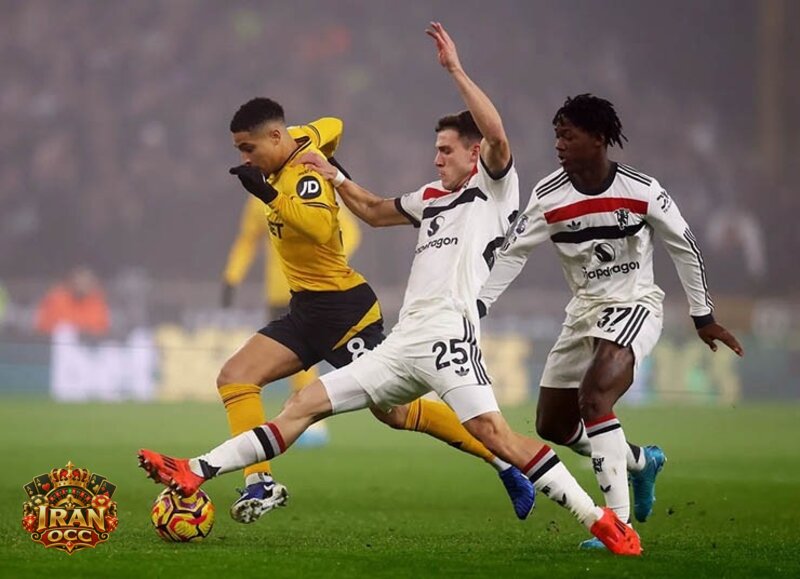
Iranian football is one of the most prominent areas of the country’s sporting landscape. The Iran national team has developed a significant international presence, including multiple appearances at the FIFA World Cup.
At club level, domestic football creates a season-long competition structure where followers can monitor fixtures, standings, goals scored, goals conceded, and recent form. These indicators provide more context than simply examining the latest match result.
Within Iran OCC Sports, football statistics can also include home and away performance, head-to-head records, and schedule density. However, historical statistics provide context rather than guaranteeing the result of a future match.
Domestic Leagues And Competition Systems
The Persian Gulf Pro League represents the top level of Iran’s domestic club football system. Other league levels and cup competitions contribute to a broader national competition structure.
League standings are generally determined through points and relevant ranking criteria. When reading a table, it is useful to consider matches played, wins, draws, losses, goals scored, and goals conceded rather than focusing only on league position.
Season fixtures also provide important context. A team facing a congested schedule may encounter different circumstances from one that has enjoyed a longer recovery period. For this reason, Iran OCC Sports can combine standings, fixtures, and recent performance to create a more balanced overview.
Prominent Sports In Iran OCC Sports

Beyond football, Iran OCC Sports also covers futsal, volleyball, and wrestling. These disciplines use different competition structures, ranging from team-based tournaments to individual weight classes, creating a diverse collection of sports statistics and performance records.
Futsal And Iran’s International Presence
Iranian futsal has established a notable international profile. The national futsal team has competed regularly at major international tournaments and has recorded significant achievements on the global stage.
Futsal is played on a smaller court and at a different pace from eleven-a-side football, meaning performance statistics should also be interpreted differently. Goals, recent results, tournament progression, and opponent strength can all contribute to a more meaningful analysis.
When following futsal through Iran OCC Sports, readers should identify both the competition and tournament stage. A group-stage result and a knockout-stage result may carry different significance even when the scorelines appear similar.
Volleyball And Notable Competitions
Iranian volleyball represents another important part of the country’s sporting ecosystem. The national team and domestic competitions have contributed to the sport’s visibility within Iran.
Unlike football, volleyball results are determined through sets and points. When reviewing match statistics, followers can examine sets won, points in each set, recent results, and tournament standings.
Within Iran OCC Sports, volleyball fixtures should also be interpreted alongside the competition format. A match in a season-long league carries a different context from a knockout tournament fixture. Understanding that structure helps prevent performance from being judged solely on one isolated result.
Wrestling And Iran’s Sporting Tradition
Wrestling has deep roots in Iranian sporting culture and is widely associated with the country’s athletic tradition. Both freestyle wrestling and Greco-Roman wrestling form important parts of Iran’s competitive wrestling landscape.
Unlike team sports, wrestling competitions are organized around weight classes and tournament brackets. Performance data therefore focuses more heavily on athlete records, opponent history, championship results, and medal achievements.
When conducting performance analysis, achievements should be considered within the correct weight class and competition level. A medal earned at a major international championship should not automatically be compared with results from a different competitive level without additional context.
How To Follow Iran OCC Sports Systematically
A structured approach to Iran OCC Sports can begin with checking fixtures, identifying the competition, following results, reviewing standings, and then examining recent form. This method connects different data points instead of evaluating a team or athlete through a single statistic.
How To Follow Match Schedules And Results
Fixtures provide information such as match date, scheduled time, participants, and competition name. When following several competitions simultaneously, the relevant time zone should also be checked to avoid confusion about starting times.
During an event, live scores provide temporary information about the current state of play. Once the competition has ended, final results become the appropriate data for match histories and performance records.
Tournament calendars may also change because of scheduling decisions or other circumstances. When exact timing matters, updated information from the relevant federation or competition organizer should take priority.
How To Read Standings And Performance Statistics
The main data categories can be distinguished as follows:
| Data | Information | Main Purpose |
|---|---|---|
| Fixtures | Match schedule | Identify upcoming matches |
| Results | Official outcomes | Review completed matches |
| Standings | League table | Track team positions |
| Statistics | Performance data | Evaluate form and results |
In football, standings can be interpreted alongside wins, draws, losses, and goal difference. Volleyball places greater emphasis on sets and points, while wrestling focuses on athlete records and tournament results.
By separating these data categories correctly, Iran OCC Sports can reflect performance according to the characteristics of each sport rather than applying one evaluation method to every discipline.
Key Factors When Evaluating Performance
Recent form is a useful starting point, but it is rarely enough to evaluate overall performance. In team sports, home and away records, head-to-head history, goals scored, goals conceded, and strength of schedule can provide additional context.
Tournament context also matters. A team may adjust its lineup or approach between league matches, cup competitions, and international tournaments. Squad availability, travel requirements, and fixture congestion can further influence the circumstances surrounding a match.
For Iran OCC Sports, historical statistics should therefore be treated as reference data rather than guaranteed predictors of future outcomes. Combining recent performance, schedules, opponent strength, and competition structure creates a more balanced perspective at Iran Occ.
Conclusion:
Iran OCC Sports presents a diverse sporting landscape that connects football, futsal, volleyball, and wrestling with domestic leagues and international tournaments. Fixtures, live scores, results, standings, team form, and performance statistics provide a structured way to follow each discipline. Because every sport has different competitive characteristics, performance should be evaluated through multiple data points and within the correct tournament context rather than relying on a single result or historical achievement.